.webp)








The Ultimate Architect’s Manual: Mastering Roblox Garden Horizons
Roblox: Garden Horizons has blossomed into one of the most sophisticated botanical simulators on the platform, moving far beyond the simple "click-to-grow" mechanics of its predecessors. It is a game defined by soil pH balances, genetic cross-breeding, and complex seasonal micro-climates. To truly excel in Garden Horizons, a player must transition from a casual planter to a master horticulturist, understanding the hidden variables that dictate plant health, aesthetic value, and economic yield. This guide serves as a comprehensive deep dive into the technical systems that govern the game, providing the structural knowledge required to build a sprawling, self-sustaining botanical empire.
The beauty of Garden Horizons lies in its depth; it is a sandbox where biology meets architecture. Every seed you plant is influenced by the surrounding flora, the elevation of your terrain, and the specific irrigation grid you construct. Whether you are aiming to cultivate the ultra-rare "Lunar Nightshade" or looking to automate your harvest for maximum "Green Credits," the strategies outlined here will provide the technical edge needed to master the horizon. Let us begin the journey from the first tilled plot to the heights of botanical prestige.
1. Establishing the Foundation: Soil Composition and Initial Plotting
The journey in Garden Horizons begins not with a seed, but with the earth itself. Most novice players make the mistake of planting directly into the default terrain, ignoring the Soil Nutrient Meter. To maximize early-game growth, you must invest in a Sifter to remove pebbles and clay, which increase "Root Resistance." High Root Resistance slows growth by up to 40%, effectively stalling your progress before you’ve even begun. By sifting your first 10x10 plot, you ensure that your initial crop of Early-Spring Tulips reaches maturity in record time.
Once the soil is clear, you must address the pH Balance. In Garden Horizons, plants are categorized into Acidic, Neutral, and Alkaline preferences. Using a Limestone Sprinkler can raise the alkalinity for desert-native flora, while Pine Needle Mulch is essential for acid-loving forest berries. Managing these zones early on prevents "Nutrient Lockout," a state where your plants stop growing regardless of how much water they receive. A well-plotted garden is divided into distinct pH quadrants, allowing for specialized growth cycles that don't interfere with one another.
2. Hydraulic Engineering: Designing an Efficient Irrigation Network
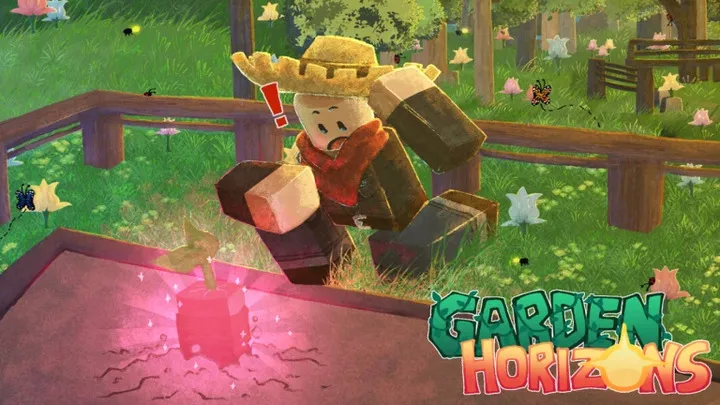
Water is the lifeblood of your garden, but manual watering is an efficiency trap that will cap your expansion. The transition from the "Watering Can" era to the Automated Drip System is the first major milestone for any serious architect. You must understand the Pressure Gradient; water pumps have a limited range, and as pipes extend further from the source, the "Flow Rate" drops. Placing Pressure Boosters every fifteen tiles is non-negotiable if you intend to maintain a lush perimeter far from your central well.
Key Irrigation Components
- Perforated Pipes: Best for dense flower beds where broad saturation is needed.
- Drip Emitters: Precision tools for high-value succulents that rot if the soil becomes oversaturated.
- Hydro-Sensors: These advanced components toggle your pumps based on soil moisture levels, saving you thousands in "Water Utility Fees" during the rainy season.
By layering your pipes beneath the soil using the Sub-Surface Tool, you keep your garden’s aesthetic clean while ensuring that the roots receive direct hydration. This method also reduces evaporation rates during the "Heatwave" random events, keeping your plants hydrated for 25% longer than surface-level spraying.
3. The Genetic Frontier: Cross-Breeding and Hybridization Techniques
The true endgame of Garden Horizons is found in the Hybridization Lab. Every plant in the game carries "Alleles" for color, size, and resilience. To create a hybrid, you must place two compatible species in a Cross-Pollination Box and introduce a Bee Hive or use a Manual Pollen Brush. The probability of a successful mutation is low, but it can be boosted by using Bioluminescent Fertilizers.
Hybridization Tiers
- Standard Hybrids: Simple color swaps (e.g., Red Rose + White Rose = Pink Rose).
- Structural Hybrids: Changes in growth patterns (e.g., Creeping Ivy + Oak Tree = Climbing Oak).
- Mythic Hybrids: Rare mutations that glow or produce unique particles, such as the Star-Struck Lily.
Mastering genetics requires a rigorous record-keeping system. Using the in-game Botanist’s Journal, you should track which parent plants produced which offspring. Genetic "Recessive Traits" can reappear after three generations, meaning that a discarded "ugly" plant might actually hold the key to a world-first Mythic mutation.
4. Seasonal Synthesis: Adapting to the Horizon’s Climate Cycles
Garden Horizons operates on a four-season cycle, each lasting three real-world hours. Beginners often lose their entire inventory during the "Frost Shift" because they fail to prepare. As Autumn ends, you must transition your sensitive tropicals into Polycarbonate Greenhouses. These structures allow you to maintain a "Micro-Climate" regardless of the external temperature. Without a heater and a light-diffuser, your Hibiscus and Palm variants will enter a permanent "Dormancy" state or perish.
The "Solar Peak" in Summer presents the opposite challenge. High-intensity light can cause Leaf Scorch, which permanently lowers a plant’s "Beauty Score." Utilizing Shade Cloths with varying opacity levels (30%, 50%, or 70%) is essential for understory plants like Ferns and Mosses. A master gardener doesn't just plant; they simulate the natural canopy of a forest to protect the delicate balance of their ecosystem.
5. Economic Optimization: Maximizing Green Credit Yields
To afford the high-tier equipment like Hydroponic Towers, you need a steady stream of Green Credits. The most efficient way to earn is through the Farmer’s Market Contract System. Instead of selling individual flowers to the general Merchant, look for specific "Bulk Orders" posted on the community board. These contracts often offer a 200% markup if you can provide the specific quality and quantity requested within a time limit.
High-Yield Cash Crops
- Midnight Lavender: High demand for "Potion Crafting" players.
- Golden Bamboo: Slow growth, but the highest credit-per-square-inch ratio in the game.
- Frost-Berries: Only growable in Winter, allowing you to corner the market when supply is low.
To further optimize, implement Compost Bins near your harvest zones. By recycling "Plant Waste" (dead leaves and weeds), you create Organic Potash, which reduces the need for expensive store-bought fertilizers. This circular economy is the secret to maintaining a high profit margin during the mid-game slump.
6. Architectural Integration: Vertical Gardening and Space Management
As you unlock more species, horizontal space becomes your greatest enemy. This is where Vertical Gardening becomes vital. Using Modular Trellises and Wall-Mounted Planters, you can triple your planting surface area without expanding your plot’s footprint. This is particularly effective for "Vining" species like Morning Glories and Grapes, which actually gain a "Gravity Bonus" to their growth speed when allowed to climb.
When building vertically, you must account for Light Obstruction. A tall trellis will cast a "Dynamic Shadow" over the plants behind it. In Garden Horizons, the lighting engine is sophisticated; plants in total shadow will eventually suffer from Etiolation (becoming pale and weak). Use Reflective Mylar Sheets on your walls to bounce sunlight back into the shadowed corners of your vertical racks, ensuring every leaf receives its required "Lumen Intake."
7. Pest Control and Symbiotic Ecosystems
A thriving garden eventually attracts unwanted guests. Aphids, Spider Mites, and Slugs can decimate a prize-winning orchid in minutes. While chemical "Bug-B-Gone" sprays are available, they lower the Organic Rating of your garden, which is required for high-tier certifications. The advanced solution is Biological Warfare. By introducing "Beneficial Insects" like Ladybugs and Praying Mantises, you create a self-regulating defense system.
Symbiotic Pairings
- Marigolds and Tomatoes: Marigolds secrete a chemical that repels root-knot nematodes.
- Lavender and Roses: Lavender attracts pollinators while masking the scent of roses from pests.
- Frogs and Ponds: Placing a small water feature attracts frogs, which naturally consume slugs.
Creating a "Balanced Biome" requires more than just biological diversity; it requires strategic placement. Pest-attracting plants should be placed on the perimeter of your garden as "Trap Crops," sacrificing them to keep your central "Showcase Plants" pristine. This tactical sacrifice is a hallmark of the Horizon’s most experienced players.
8. Advanced Botany: The Alchemy of Fertilizers
Standard fertilizer is for amateurs. The elite players of Garden Horizons engage in Fertilizer Alchemy, mixing raw minerals and organic matter in a Chemical Lab. By balancing Nitrogen (N), Phosphorus (P), and Potassium (K), you can tailor a "Growth Serum" for specific plant stages. For example, a high-Nitrogen mix is perfect for the "Vegetative Stage" to build strong stems, while high-Phosphorus is essential for the "Blooming Stage" to produce massive, high-scoring flowers.
Beyond basic N-P-K ratios, you can infuse fertilizers with Trace Elements like Magnesium for greener leaves or Calcium for stronger cell walls. The most coveted additive is Lunar Dust, an item obtained from rare nighttime meteors. When mixed into a serum, it allows plants to grow 50% larger than their natural limit, creating "Giant Variants" that are the centerpiece of any prestigious garden.
9. Landscape Aesthetics: The "Zen" and "Grandeur" Metrics
In the late game, Garden Horizons introduces the Prestige System, which measures the aesthetic harmony of your plot. This isn't just about how many flowers you have, but how they are arranged. The game calculates "Color Theory" (using complementary colors like Purple and Yellow) and "Structural Rhythm" (varying the heights of your plants). A messy, overcrowded garden will have a lower Prestige Score than a small, perfectly curated Zen garden.
To boost your Grandeur metric, incorporate Non-Botanical Elements such as:
- Stone Pathways: Direct the flow of NPC visitors.
- Water Features: Increase the "Serenity Aura" of the surrounding 5-tile radius.
- Statues and Lighting: High-quality lighting allows your garden to be judged for Prestige during the night cycle, doubling your score accumulation.
Mastering the "Visual Hierarchy" means placing your largest, most vibrant plants at "Focal Points"—usually the center of a path or the top of a hill—and using smaller, neutral-colored foliage to fill the gaps. This creates a "Flow" that the game’s AI judges as high-quality, unlocking exclusive rewards and titles.
10. Automation and the "Horizon AI" Drone System

The final tier of Garden Horizons is the transition to total automation via the Horizon AI Drone System. These drones can be programmed using a simple "Logic Gate" interface to water, harvest, and replant specific sectors. This allows you to step away from the manual labor and focus entirely on the high-level design and hybridization experiments. Programming a "Harvest Logic" that only triggers when a plant is at 100% maturity ensures you never waste a seed.
Drones require Charging Stations and Logic Hubs. Managing the "Drone Pathing" is a mini-game in itself; if your garden is too cluttered, drones will get stuck and deplete their batteries. Designing "Service Corridors" throughout your garden ensures that your mechanical assistants can reach every corner efficiently. With a fully automated fleet, your garden becomes a living, breathing machine, constantly generating credits and rare seeds while you plan your next great botanical masterpiece.
Conclusion
Mastering Roblox: Garden Horizons is a multifaceted endeavor that rewards patience, technical planning, and a deep respect for simulated biology. From the early days of sifting soil and manual watering to the endgame of genetic hybridization and drone automation, every step is a lesson in efficiency. By understanding the interplay between seasonal changes, soil chemistry, and hydraulic engineering, you transform a simple plot of land into a world-class botanical sanctuary. The horizon is vast, but with the right tools and knowledge, your garden will be the light that defines it.