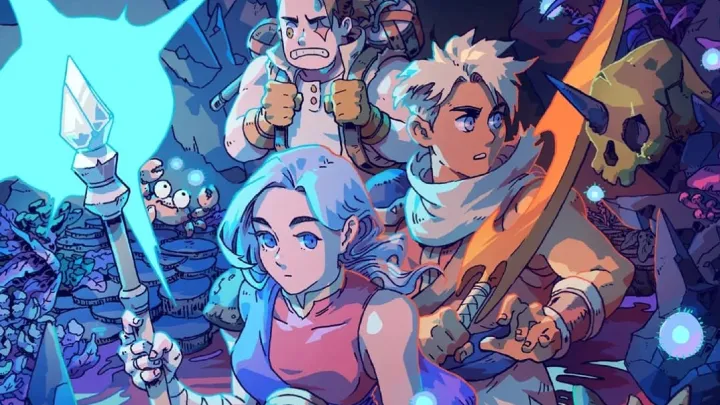


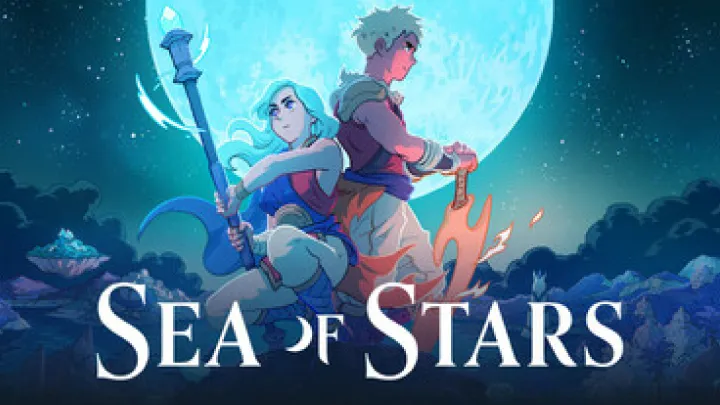
Sea of Stars is a turn-based RPG developed by Sabotage Studio that draws inspiration from classic games while incorporating modern design sensibilities. Set in a beautifully crafted world, it explores grand themes of adventure, friendship, and the manipulation of time. Central to the experience of Sea of Stars is the intricate relationship between time and choices, which drives both the narrative and gameplay mechanics. This article delves into how Sea of Stars utilizes time and decision-making to shape character arcs, player experiences, and the broader narrative landscape.
Introduction
Set in the universe established by the studio's previous title, The Messenger, Sea of Stars invites players to take on the roles of two young heroes, Valere and Zale. They are on a quest to stop the sinister being known as the Fleshmancer, who threatens to disrupt the balance of their world. As players journey through this beautifully pixelated landscape, they are consistently confronted with choices that not only impact individual moments but also reverberate through time, echoing the consequences long after they are made. The deliberate design of gameplay loops and intricate narrative threads creates a rich tapestry that allows players to explore the significance of their choices within the context of time.
The Nature of Time in Gameplay
A World Defined by Cycles
In Sea of Stars, time is not just a linear progression; it is cyclical, and the world reflects this theme. The game masterfully employs day-night cycles and seasonal changes that influence gameplay mechanics and exploration.
- Environmental Changes:
- Different environments change based on the time of day or season, encouraging exploration and interaction with the environment. Certain quests or items can only be accessed during specific times, rendering the cyclical nature of time integral to the gameplay.
- This design decision heightens players' awareness of the passage of time, compelling them to consider how various elements may shift between day and night. Players find themselves revisiting locations, strategizing around the time key activities can be completed.
- Puzzle Mechanics and Timing:
- Many puzzles require careful timing and precision, further emphasizing the dance between action and time. The need to execute moves in sync with certain environmental cues teaches players the importance of rhythm and timing in both gameplay and narrative.
- This mechanic exemplifies how the essence of time is woven through the gameplay experience, illustrating that choices do not merely affect plot progression but also the very nature of how players interact with the game world.
Time Manipulation Mechanics
Sea of Stars introduces time manipulation as a key gameplay mechanic that adds a layer of complexity to battles and exploration.
- Turning Back Time:
- Players are given the power to turn back time during specific segments of the game, allowing them to rectify mistakes or explore alternate paths. This power represents a metaphor for reflection and reconsideration, urging players to think critically about their choices.
- The mechanic encourages experimentation and creativity, allowing players to explore "what if" scenarios, further enriching their understanding of the game. This exploration makes it clear that time can be both a guide and a challenge to navigate.
- Impact on Combat:
- In battles, time manipulation can alter the outcome of encounters, enabling players to mitigate damage or extend turns to create more strategic openings. This mechanic encourages players to consider their decisions with foresight and adaptability, reflecting the complexity of real-life choices.
- Each combat encounter effectively becomes an embodiment of how players interpret and react to the flow of time, mirroring the struggle to make the best choices under pressure.
Character Arcs and Developments
The Growth of Valere and Zale
At the heart of Sea of Stars lies the character development of Valere and Zale, whose journeys symbolize the challenges of personal growth against the backdrop of time.
- Defining Moments:
- Valere and Zale’s character arcs are developed through significant moments that often involve choices reflective of their growth. Decisions made during quests can alter their relationships and identities, teaching them valuable lessons about trust, responsibility, and sacrifice.
- As players navigate the narrative, they witness these characters grapple with their motivations, desires, and the consequences of their actions on their friendship and sense of self.
- Dynamic Relationships:
- The interplay between Valere and Zale creates a palpable emotional depth, with their evolving friendship illustrated through dialogue choices and branching narratives. Their bond is tested as they confront various ethical dilemmas that challenge their beliefs.
- Encouraging players to explore relational dynamics reinforces the theme that identity is not solely defined by individual choices but is also molded by interpersonal relationships and shared experiences over time.
Supporting Characters: Echoes of Past Choices
Supporting characters also receive thoughtful attention, each representing different aspects of identity and the repercussions of past choices.
- The Complexity of Secondary Characters:
- Characters like the enigmatic Fleshmancer and mentors supply a deeper understanding of the moral complexities involved in the story. Their motivations reveal how choices can root or resonate throughout one's life, serving as both adversaries and allies in personal growth.
- For example, certain side quests allow players to explore the backstories of these characters, where the consequences of their choices are unveiled, highlighting how their past continues to shape their identities.
- Interrogating the Past:
- Many supporting characters embody the lessons learned from their choices, prompting players to reflect on how they may confront their struggles. This exploration serves as a reminder that identity is often a collection of experiences and choices made over time.
- The game’s dialogue choices often pose questions of morality and intention, compelling players to engage with values without straightforward answers. As players interact with these characters, they deepen their understanding of the implications surrounding their own decision-making.
Themes of Guilt and Redemption
Confronting Consequences
The themes of guilt and redemption are prominent in Sea of Stars, engaging players in the emotional weight of their choices and actions.
- The Burden of Past Mistakes:
- Characters deal with the fallout from past decisions, creating a narrative filled with regrets and the need for redemption. This emotional landscape allows players to connect with characters whose journeys echo their own struggles with guilt.
- Valere and Zale, in particular, must confront the impact of their decisions, serving as catalysts for growth and self-reflection. Moments of reckoning compel them to face the repercussions of their past actions, underscoring the importance of accountability.
- The Journey to Forgiveness:
- As players navigate the story, they are often faced with opportunities for redemption—not only for themselves but also for those around them. Side quests centered around helping others mend their relationships add layers to the narrative, ultimately inviting them to reflect on the path to forgiveness.
- This thematic underpinning reveals a powerful aspect of identity—that growth often requires confronting painful truths and striving for improvement amid adversity.
The Role of Choice in Redemption
Players’ choices contribute to narrative outcomes, empowering them to navigate paths toward redemption or further entrench themselves in regret.
- Branching Paths:
- In scenarios where players can choose between helping others or pursuing personal gain, the outcomes often differ significantly. These decisions highlight the complexities inherent in the pursuit of redemption and pose thoughtful questions about morality.
- The game’s design encourages exploration of alternative actions, allowing players to feel the weight of their choices while leaving room for self-improvement and growth.
- Reflection on Identity:
- Through gameplay mechanics and character development, the game pushes players to consider how their actions define their identities, challenging them to move beyond regret and towards fulfillment.
- The interplay between redemption and identity culminates in a powerful exploration of how choices shape not only individual destinies but the narratives of those who intertwine with them.
Time Travel: A Narrative Device
Temporal Mechanics as a Storytelling Tool
The incorporation of time travel mechanics enhances the narrative complexity and underscores themes of reflection and growth in Sea of Stars.
- Manipulating Time for Resolution:
- Players can manipulate time to revisit pivotal moments, allowing them to alter outcomes and make different choices. This mechanic allows for experimentation and reflection, teaching players about the impact that choices can have on the present and future.
- The ability to alter past actions tempts players to explore paths that might have otherwise been left unexplored, providing new insights and enhancing emotional resonance.
- Learning Through Experience:
- Time travel offers players opportunities to learn from mistakes, illuminating how revisiting moments of regret can aid in character growth. This dynamic ties back to the theme of identity, as players witness firsthand how different decisions unfold across timelines.
- As players revisit moments and make different choices, they can explore how those actions lead to alternate outcomes, challenging them to contemplate their understanding of morality and consequence.
The Philosophical Implications
The philosophical implications of time manipulation and its correlation to choice create a rich emotional tapestry that resonates with players.
- Existential Questions:
- The ability to revisit and alter past events provokes existential inquiries about determinism and free will. Players must grapple with the notion of whether choices genuinely shape identity or if events are predestined regardless of action.
- Through exploration of these questions, the game invites players to engage in introspection, enriching their overall experience while deepening their connection to themes of identity and agency.
- Embracing Agency:
- Ultimately, time manipulation serves to empower players, reinforcing the idea that agency is a vital aspect of self-discovery. Choices hold weight, and contemplating their effects enables characters to reclaim their identities by embracing accountability.
- Players are encouraged to recognize that each choice creates multiple realities, urging them to value their decisions and seek personal growth through the journey.
Community Influence and Player Experiences
Fostering a Collective Dialogue
The advent of social media has allowed communities to come together to share their experiences and interpretations of Sea of Stars, enriching the game’s narrative depth.
- Discussions and Theories:
- Players actively share theories regarding narrative elements, character arcs, and thematic explorations. Online forums are vibrant spaces where fans discuss their interpretations of the story, fostering a collective analysis that enhances understanding.
- These communal dialogues provide insight into how various players interpret concepts of identity and choice, reflecting the multiplicity of human experience through shared narratives.
- Creating Emotional Bonds:
- Fans share personal stories of how the themes of the game resonate with their own lives. These stories often highlight how players connect deeply with narratives, creating emotional bonds around shared values and struggles.
- The impact of these connections extends beyond the game, fostering a sense of empathy and community that emphasizes the significant role storytelling can play in shaping identities.
Fan Creations and Cultural Impact
The resonance of Sea of Stars within the community has inspired rich artistic expressions and cultural discussions.
- Art and Fan Projects:
- Players express their love for the game through fan art, music covers, and even written fanfiction. These creations reveal personal connections to the characters, themes, and emotional arcs within the game.
- The emergence of diverse artistic expressions showcases how powerful narratives can evoke communal creativity, reflecting the broad spectrum of player experiences.
- Inspiring Conversations:
- The rich themes of identity, redemption, and time within Sea of Stars have inspired discussions that transcend the game itself, touching on larger philosophical inquiries and emotional truths.
- The ongoing engagement within the community acts as a testament to the game’s impact, illustrating how narratives can influence personal growth and collective understanding.
Conclusion
Sea of Stars is more than a captivating indie RPG; it is a profound exploration of the intricacies of identity, choice, and the implications of time. Through its masterful narrative structure, deep character development, and engaging gameplay mechanics, the game invites players to reflect on their moral decisions while navigating a beautifully crafted world.
By weaving together themes of guilt, redemption, and the impact of choices, Sea of Stars resonates with players on multiple levels, encouraging introspection and emotional engagement. The incorporation of time manipulation enriches this experience, allowing players to understand the significance of their actions and the journey of self-discovery. Ultimately, Sea of Stars serves as a powerful reminder of the enduring importance of narrative in shaping our identities and guiding us through the complexities of life.