



Introduction
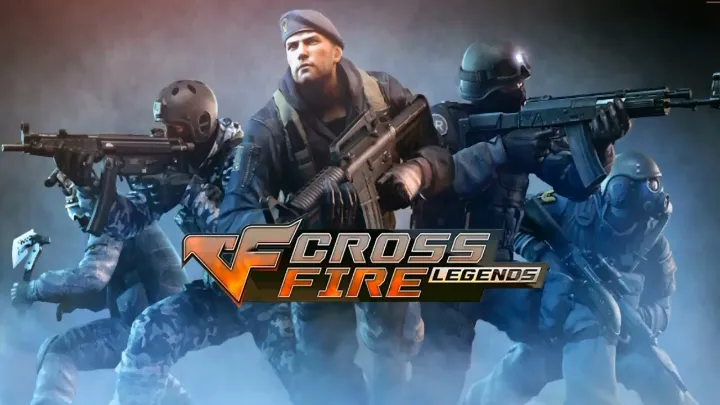
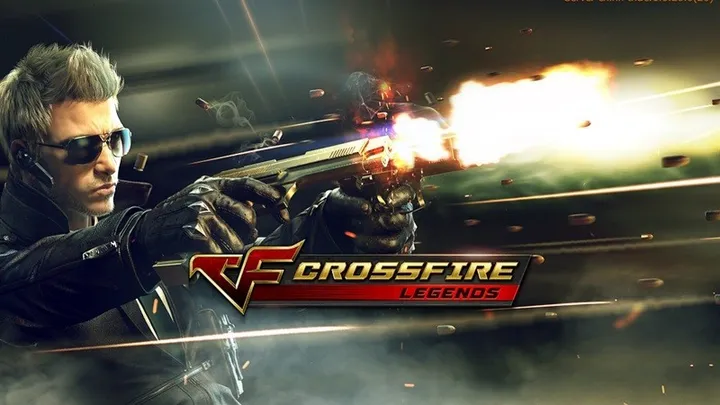
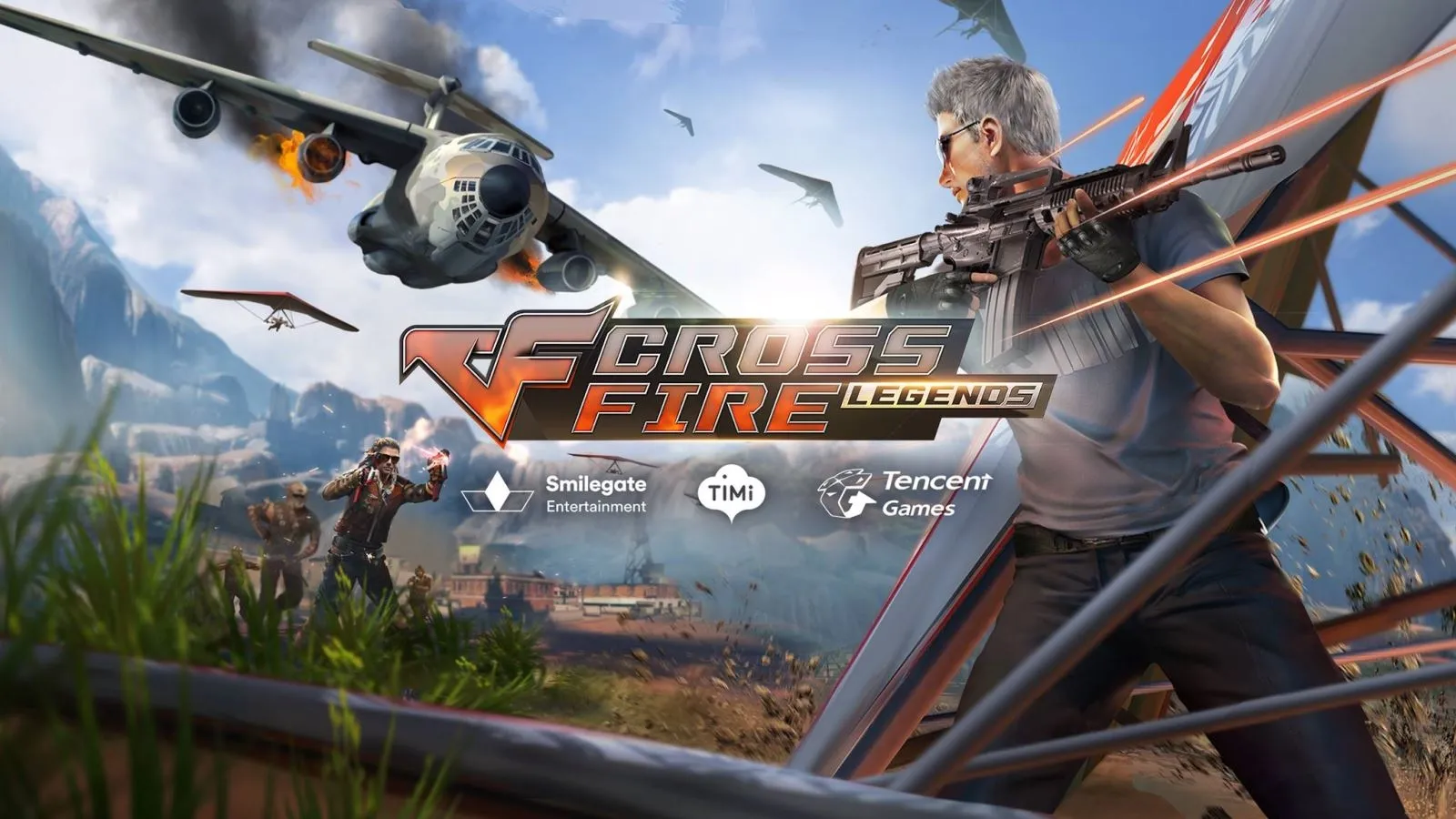
Crossfire: Legends is a fast-paced mobile first-person shooter that brings classic tactical FPS gameplay to handheld devices. Known for its tight gunplay, diverse modes, and competitive ranking system, the game challenges players to combine sharp aim with smart positioning and teamwork. Unlike purely arcade shooters, Crossfire: Legends rewards discipline, map knowledge, and weapon mastery.
Many new players struggle because mobile FPS mechanics feel unforgiving. Recoil, movement penalties, and fast time-to-kill can turn small mistakes into instant defeats. This guide is designed to help players at all skill levels improve consistently. By understanding weapons, movement, maps, and match flow, you can dramatically raise your win rate and overall performance.
Understanding Core Gameplay and Match Flow
At its heart, Crossfire: Legends is about controlling space and timing. Whether you are playing Team Deathmatch, Search & Destroy, or special event modes, each match follows a rhythm of engagement, repositioning, and objective pressure.
Players who rush blindly often die quickly, while those who understand pacing dominate matches. Early-game positioning determines mid-game control, which directly impacts endgame outcomes. Learning when to push, when to hold, and when to rotate is essential.
Key fundamentals include:
- Knowing spawn behavior
- Recognizing power positions
- Playing objectives, not just kills
Mastering these concepts builds a strong foundation for every mode.
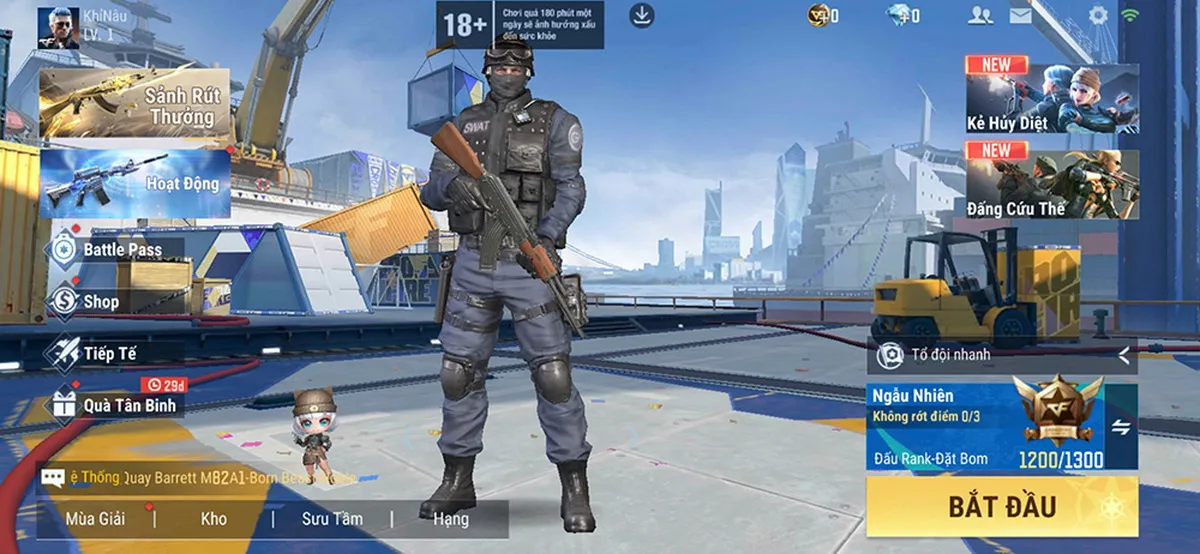
Choosing the Right Weapons for Your Playstyle
Weapons in Crossfire: Legends vary widely in recoil, fire rate, and damage. Choosing a gun that matches your playstyle is far more important than picking the most popular option.
Assault rifles are ideal for balanced players who engage at mid-range. SMGs favor aggressive rushers who thrive in close combat, while sniper rifles reward patience and precision. Shotguns excel in tight maps but require strong positioning.
Weapon selection tips:
- Beginners should start with stable assault rifles
- Avoid high-recoil guns early
- Practice one weapon type before switching
Consistency with a single weapon builds muscle memory and confidence.
Mastering Recoil Control and Accuracy
Recoil control separates average players from strong competitors. Many players lose gunfights not because of poor aim, but because they fail to manage recoil during sustained fire.
Each weapon has a predictable recoil pattern. Learning to pull down or counter slightly during bursts improves accuracy significantly. Spraying wildly almost always leads to missed shots.
Accuracy improvement tips:
- Fire in short bursts at mid-range
- Crouch when holding angles
- Avoid shooting while jumping
Precise shooting wins fights faster than aggressive movement.
Movement, Positioning, and Survival
Movement in Crossfire: Legends is fast, but reckless movement is heavily punished. Sprinting exposes you, while jumping ruins accuracy. Smart movement is about timing and positioning, not constant motion.
Good players pre-aim corners, strafe during gunfights, and reposition after each kill. Staying mobile without being predictable is key to survival.
Effective movement habits:
- Walk when approaching corners
- Strafe instead of jumping
- Reposition after engagements
Positioning often wins fights before shots are fired.

Understanding Maps and Power Positions
Map knowledge is one of the strongest advantages you can have. Each map contains choke points, flanking routes, and power positions that control the flow of combat.
Holding elevated areas or narrow corridors allows you to control enemy movement. Ignoring these positions gives opponents easy access to objectives and kills.
Map awareness tips:
- Learn common enemy routes
- Hold angles instead of chasing
- Rotate early when pressure builds
Knowing where enemies will appear gives you reaction time and control.
Game Modes and Objective Play
Each mode in Crossfire: Legends demands a different mindset. Team Deathmatch rewards positioning and kill efficiency, while Search & Destroy emphasizes patience, teamwork, and map control.
Players who ignore objectives often lose despite high kill counts. Playing the mode correctly is more important than individual stats.
Mode-specific focus:
- TDM: Control spawns and lanes
- S&D: Play slow, communicate, trade kills
- Special modes: Adapt to unique rules
Winning comes from understanding what the mode demands.
Loadouts, Gear, and Utility Usage
Beyond weapons, loadouts and utility play a crucial role. Grenades, flashbangs, and equipment can control space and disrupt enemies.
Smart utility usage can clear rooms, force enemies out of cover, or secure objectives without direct gunfights.
Utility usage tips:
- Use grenades to deny areas
- Flash before pushing corners
- Save equipment for key moments
Utility often wins fights before bullets are exchanged.
Teamplay, Communication, and Awareness
Crossfire: Legends rewards teamwork, even in casual modes. Coordinated pushes, crossfires, and information sharing dramatically increase win rates.
Players who move alone are easier to eliminate, while coordinated teams control space effectively.
Teamplay principles:
- Move with at least one teammate
- Cover different angles
- Communicate enemy positions
Awareness and cooperation multiply individual skill.
Ranked Play and Competitive Progression
Ranked matches introduce higher stakes and stronger opponents. Mistakes are punished quickly, and consistency becomes critical.
Climbing ranks requires discipline, adaptability, and emotional control. Tilt and frustration lead to poor decisions and losing streaks.
Ranked progression tips:
- Play fewer matches with focus
- Stop after losing streaks
- Review mistakes, not teammates
Steady improvement beats rushed grinding.
Advanced Tips for High-Level Players
Advanced players refine details rather than fundamentals. These include spawn prediction, pre-firing common angles, and baiting enemies into unfavorable fights.
At high levels, mental discipline and patience matter more than raw aim. Winning comes from controlling the pace of engagements.
Advanced techniques:
- Pre-aim common positions
- Use sound cues carefully
- Control tempo, don’t rush
Small advantages accumulate into consistent wins.
Conclusion
Crossfire: Legends is a skill-driven mobile FPS that rewards smart play, discipline, and game knowledge. While fast reflexes help, true mastery comes from understanding weapons, maps, and match flow.
By choosing the right loadout, mastering recoil, improving positioning, and playing objectives, players can dramatically improve performance. Success in Crossfire: Legends is not about constant aggression—it is about control, awareness, and making the right decision at the right time.
160-character summary
Learn how to dominate Crossfire: Legends with smart weapon choices, recoil control, map knowledge, teamwork, and ranked play strategies.