Goose Goose Duck: Latest News, Gameplay, and Everything Players Need to Know
Introduction
Goose Goose Duck continues to attract players who enjoy multiplayer social deduction games built around teamwork, deception, and unpredictable player interaction. Players take on different roles and must work together, complete objectives, or secretly disrupt the group depending on their assigned character.
The game creates an environment where communication can become just as important as gameplay. Players need to observe suspicious behavior, discuss possible threats, and decide who they can trust. At the same time, players with hidden roles must avoid attracting attention while pursuing their own objectives.
This combination of cooperation and deception makes every match different. The outcome can depend on strategy, communication, observation, and the decisions made by other players.
1. The Core Social Deduction Experience
The central idea behind Goose Goose Duck is simple but highly competitive.
Players enter a match with different roles and objectives. Some players work together as members of the group, while others may secretly attempt to create problems and eliminate opponents.
The challenge is identifying who can be trusted.
Players must pay attention to actions, movement, and behavior throughout the match.
Trust Is Never Guaranteed
A player may appear helpful while secretly working against the group.
This creates uncertainty and forces players to think carefully before making decisions.
The ability to communicate and observe other players can have a major influence on the final result.
2. The Importance of Different Roles
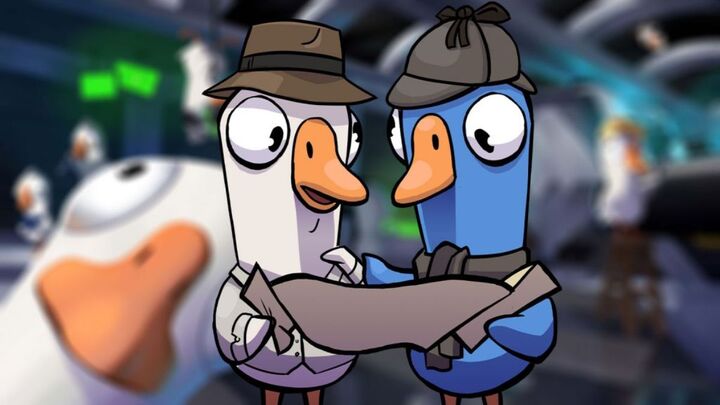
Roles are an important part of the Goose Goose Duck experience.
Different roles can provide players with different abilities, responsibilities, and objectives.
This variety can make every match feel different.
Players cannot always use the same strategy because their role may completely change the way they need to approach the game.
Understanding Your Objective
Players should learn the abilities and responsibilities connected to their assigned role.
Understanding what you need to accomplish can help you make better decisions during the match.
It is also important to understand that other players may have completely different objectives.
3. Communication Can Change the Game
Communication is one of the most important elements of social deduction gameplay.
Players need to share information, discuss suspicious behavior, and decide who may be telling the truth.
However, communication can also be used for deception.
A convincing player may attempt to influence the group and create doubt.
Listen Carefully
Players should pay attention to more than just accusations.
Important information may include:
- Where players were seen.
- What happened during important moments.
- Which players were together.
- Whether a player's explanation makes sense.
- Changes in player behavior.
Good communication can help a group identify threats, but poor information can create confusion.
4. Observation and Suspicious Behavior
Players often need to observe what happens around them.
Suspicious behavior may provide useful information, but it does not always guarantee that someone is a threat.
A player may simply make a mistake or misunderstand the situation.
Avoid Quick Decisions
Immediately accusing another player without enough information can create problems for the entire group.
Players should consider the available evidence before making an important decision.
At the same time, waiting too long can also allow a hidden opponent to continue their strategy.
Finding the right balance is part of the challenge.
5. Teamwork and Completing Objectives
Working together is important for players who share cooperative objectives.
Completing tasks and supporting teammates can help the group make progress.
However, players still need to remain aware of their surroundings.
Stay Alert
Focusing completely on one task may create opportunities for other players.
Moving with teammates can sometimes provide additional information, but staying together constantly can also make it difficult to observe individual behavior.
Players need to decide when cooperation provides safety and when independent exploration is necessary.
6. Deception and Player Strategy
For players with hidden objectives, avoiding suspicion can become one of the biggest challenges.
A successful strategy often requires more than simply acting aggressively.
Drawing too much attention can quickly create suspicion.
Blending Into the Group
Players may attempt to appear helpful and participate in normal activities.
However, other players may closely observe unusual behavior.
The challenge is balancing hidden objectives with the need to avoid becoming an obvious target during discussions.
Every match can require a different strategy depending on the behavior of the other players.
7. Discussions Create Unpredictable Moments
Meetings and discussions can completely change the direction of a match.
A player who was trusted earlier may suddenly become the main suspect.
New information can change opinions quickly.
Information Can Be Powerful
Players may use evidence, memories, and observations to support their arguments.
However, incorrect information can also influence the group.
This creates one of the most interesting parts of Goose Goose Duck: players must decide what information they believe.
A confident explanation is not always the truth.
8. Why Every Match Feels Different
The combination of different roles and real player behavior helps create unpredictable matches.
Even when players return to the same game mode, the experience can change.
Different players communicate differently, make different decisions, and react to pressure in different ways.
Human Behavior Creates Variety
The same strategy may work successfully in one match and fail completely in another.
This variation gives social deduction games strong replay value.
Players cannot always predict what another person will do next.
9. Learning From Every Match
New players may make mistakes during their first matches.
They may trust the wrong player, make an incorrect accusation, or reveal too much information.
These mistakes can become useful learning experiences.
Improve Your Decision-Making
After a match, players can think about important moments.
Consider questions such as:
- Did I miss suspicious behavior?
- Did I accuse someone too quickly?
- Did I share useful information?
- Could I have communicated more effectively?
- Did I understand the situation correctly?
Learning from previous matches can help players improve their observation and strategy.
10. What Players Can Expect
Goose Goose Duck offers a multiplayer experience focused on communication, deception, teamwork, and social deduction.
Players can expect:
- Different roles and objectives.
- Cooperative gameplay.
- Hidden opponents.
- Discussions and player accusations.
- Unpredictable multiplayer situations.
- Strategic deception.
- Constant changes in trust.
The combination of these features creates an experience where player decisions and communication can be just as important as mechanical gameplay.
A Game Built Around Interaction
The game depends heavily on how players interact with each other.
Every conversation, accusation, and decision can influence the match.
This makes Goose Goose Duck an interesting experience for players who enjoy multiplayer games with strategy and social interaction.
Conclusion
Goose Goose Duck combines social deduction, teamwork, communication, and deception into an unpredictable multiplayer experience.
Players must observe others, understand their roles, complete objectives, and make difficult decisions about who they can trust. At the same time, hidden players need to develop strategies that allow them to achieve their goals without becoming obvious.
Different roles and unpredictable player behavior ensure that matches can develop in many different ways. Communication can reveal important information, but it can also create confusion and deception.
For players who enjoy multiplayer games built around strategy and social interaction, Goose Goose Duck remains an experience worth exploring.