
Cattails: Wildwood Story Tips & Guide: Essential Strategies for Hunting, Colony Building, Exploration, and Relationships
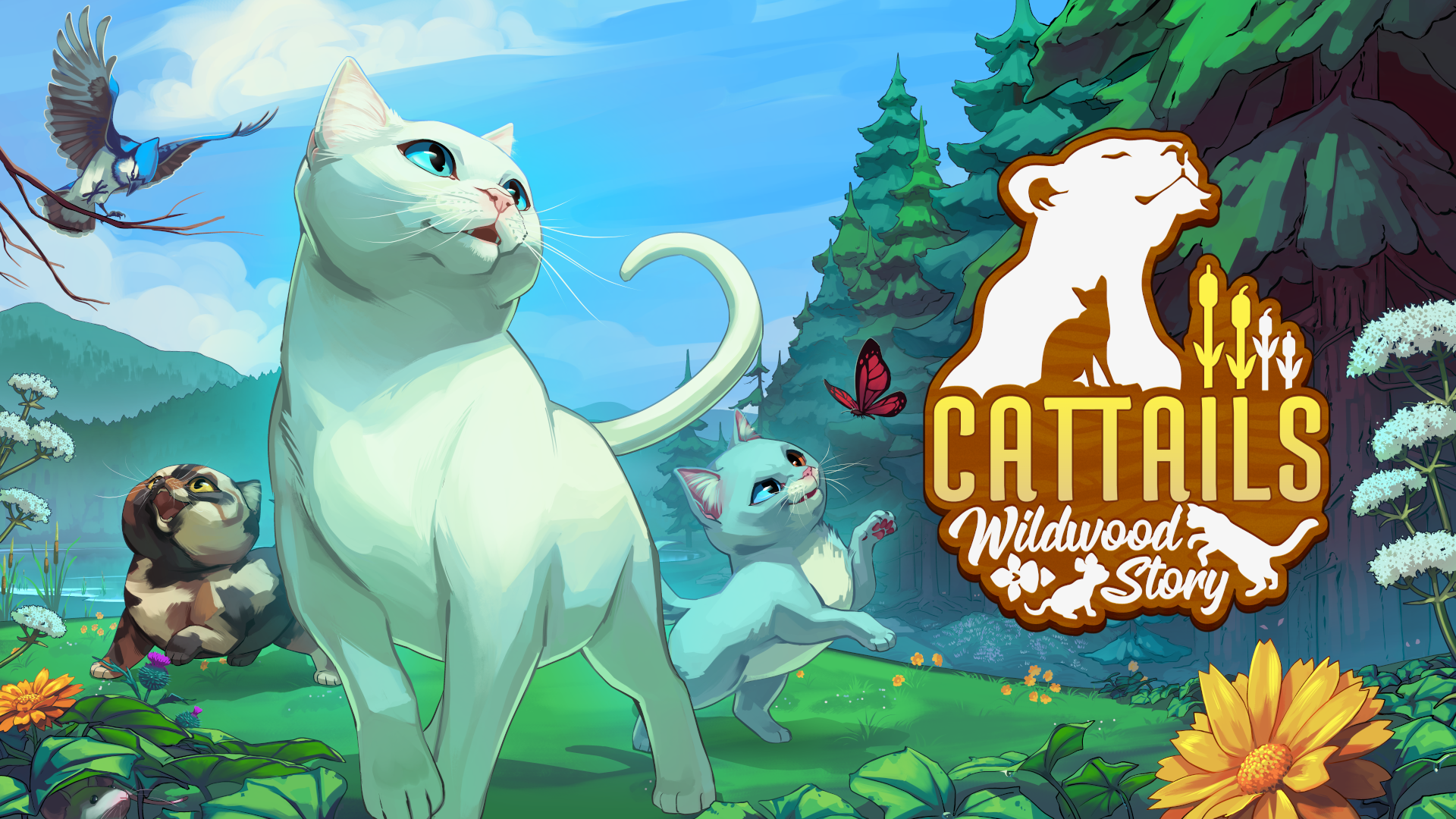
Cattails: Wildwood Story is a cozy life simulation RPG that lets you experience the wilderness from the perspective of a cat. You begin as a member of a developing community and gradually help establish a thriving colony in the Wildwood. Along the way, you hunt for food, gather resources, explore different environments, build relationships, and participate in the daily life of your feline neighbors.
The game combines several familiar genres into one experience. Hunting provides food and resources, exploration reveals new opportunities, colony management introduces construction and development goals, and relationships give the world a more personal dimension. You are free to spend your time developing whichever aspects interest you most, but balancing these activities makes progression smoother.
Although the game has a relaxed atmosphere, there are plenty of systems to learn. Hunting requires timing, exploration rewards preparation, and colony development depends on collecting the right materials. Understanding how these systems connect will help you avoid wasting energy and make better use of each day.
This guide covers ten essential areas, from learning the basics of survival to expanding your colony, improving relationships, and making long-term progress in the Wildwood.
1. Understand the Core Gameplay and Your Role in the Wildwood
Cattails: Wildwood Story revolves around building a life in a wilderness community. You control a cat who explores the surrounding world, gathers supplies, hunts wildlife, and helps the colony grow.
There is no single activity that defines the entire experience. Instead, your progress comes from combining several systems. Hunting supplies food, gathering provides construction materials, exploration reveals useful locations, and social interactions help develop your relationships with other cats.
Balance your daily activities
It is tempting to spend an entire day exploring or hunting, especially when you discover a new area. However, maintaining a balance between different activities makes your overall progression more consistent.
A practical daily routine might include:
- Hunting for food and useful resources.
- Gathering materials for colony projects.
- Exploring nearby locations.
- Speaking with colony members.
- Returning to the settlement to manage supplies and development.
You do not need to follow this routine rigidly. Treat it as a flexible structure that helps you avoid neglecting important systems.
Set personal goals
The game allows you to develop your own priorities. You might focus on expanding the colony, improving relationships, collecting resources, or discovering more of the wilderness.
Choose a few goals at a time rather than trying to complete everything simultaneously. This makes the experience more manageable and gives each play session a clear direction.
2. Master Hunting and Learn How to Find Food Efficiently
Hunting is one of the most important survival activities in Cattails: Wildwood Story. Food supports your daily needs and contributes to several aspects of progression, making reliable hunting an essential skill.
Different prey require different approaches. Some animals may be easier to catch when approached carefully, while others require more patience and accurate timing.
Observe prey before attacking
Do not rush toward every animal you encounter. Pay attention to its movement and position before deciding when to approach.
A poorly timed attack can waste energy and leave you without the food you expected to collect.
Useful hunting habits include:
- Approach prey carefully.
- Observe movement patterns before attacking.
- Avoid unnecessary chases.
- Choose targets that are appropriate for your current abilities.
- Collect available food and resources during exploration.
Manage energy while hunting
Hunting repeatedly without considering your energy can make the rest of the day less productive.
If you have already spent considerable energy pursuing prey, consider returning to the colony or switching to an activity that does not require as much effort.
The goal is not to catch every animal you see. It is to maintain a dependable supply of food without exhausting yourself unnecessarily.
Learn which hunting areas suit your needs
Different parts of the wilderness offer different opportunities. As you become familiar with the environment, remember where you tend to find useful prey and resources.
Returning to productive locations can be more efficient than exploring randomly whenever you need food.
3. Gather Resources and Build a Reliable Supply
Resource gathering is essential for developing your colony. Construction and upgrades require materials, so collecting supplies regularly helps prevent development projects from becoming stalled.
Wood, herbs, minerals, and other materials can support different crafting and colony activities. Learning where to find them makes it easier to plan your progress.
Gather materials during ordinary exploration
You do not always need to dedicate an entire day to collecting resources. When traveling between locations, look for useful materials along the way.
This approach allows you to make progress toward construction goals while completing other activities.
Maintain a resource reserve
It is useful to keep some materials available for unexpected projects. Spending every collected resource immediately can leave you unable to complete a new upgrade when it becomes available.
Before using a large quantity of materials, consider whether you have other construction or crafting goals approaching.
A sensible resource strategy includes:
- Collecting materials whenever convenient.
- Remembering locations that provide useful resources.
- Avoiding unnecessary crafting.
- Saving supplies for important colony projects.
- Replenishing materials after completing major upgrades.
Prioritize materials based on your goals
If your current objective involves colony construction, focus on gathering the materials needed for that project. If you are more interested in exploration, maintain enough basic supplies while spending additional time discovering new areas.
This makes resource collection purposeful rather than repetitive.
4. Explore the Wilderness and Discover Important Locations
Exploration is one of the most rewarding parts of Cattails: Wildwood Story. The Wildwood contains different environments, resources, animals, and opportunities that encourage you to travel beyond the colony.
However, exploring without preparation can be inefficient. You may spend too much energy, miss useful materials, or find yourself far from the settlement when you need to return.
Explore one area at a time
When entering an unfamiliar region, take time to understand its layout. Look for paths, environmental landmarks, resource locations, and possible routes to nearby areas.
Instead of running in random directions, gradually build a mental picture of the wilderness.
Remember useful locations
Certain areas may be particularly valuable for hunting, gathering, or other activities. Remembering where these opportunities appear can make future trips much more productive.
Useful exploration habits include:
- Check the surroundings before moving to another area.
- Collect useful resources along your route.
- Remember locations where valuable materials appear.
- Avoid unnecessary detours when energy is low.
- Revisit familiar areas when you need specific supplies.
Expand your exploration gradually
Do not feel pressured to visit every available location immediately. Explore nearby areas first, become familiar with their resources, and then move farther into the wilderness.
Gradual exploration makes the world easier to understand and reduces the risk of wasting time on difficult trips.
5. Develop Your Colony and Prioritize Important Upgrades
Colony development gives your adventures a long-term purpose. As the settlement grows, you can contribute to construction projects, improve the community, and help establish a more comfortable home for its residents.
Development requires resources and planning, so it is important to understand which upgrades provide the most useful benefits.
Focus on practical improvements first
When choosing what to develop, consider how the project supports your current needs.
An upgrade that improves the colony's functionality may be more useful early on than a purely decorative project. Once essential needs are addressed, you can spend more time customizing the settlement.
Contribute consistently
Large colony projects can require substantial materials. Instead of trying to complete everything in one session, collect supplies gradually and contribute whenever you have enough.
This creates a steady development rhythm without forcing you to spend every day gathering resources.
Keep the settlement organized
As the colony expands, pay attention to how its different structures and features fit together.
You can create a settlement that feels practical, visually appealing, and connected to the surrounding environment. The goal is to make the colony feel like a real home rather than simply a collection of completed construction objectives.
6. Build Relationships and Participate in Colony Life
Relationships are an important part of the Cattails experience. The other cats are more than background characters; they have personalities, preferences, and individual stories that make the colony feel alive.
Spending time with residents can unlock additional interactions and help develop meaningful connections.
Speak with colony members regularly
Make conversations part of your normal routine. When returning to the colony after hunting or gathering, take a moment to see which characters are available.
Regular interactions help you become familiar with the community and its members.
Pay attention to individual preferences
Different cats may respond differently to gifts and social interactions. Paying attention to their personalities can help you make more thoughtful choices.
Rather than giving random items to everyone, learn what particular characters appreciate.
Useful relationship-building habits include:
- Speak with residents whenever convenient.
- Remember their names and personalities.
- Pay attention to dialogue and personal requests.
- Choose gifts thoughtfully.
- Revisit characters after important events.
Balance social activities with survival
Building relationships is rewarding, but it should not completely replace hunting and gathering.
A good routine includes social interactions during visits to the colony, allowing you to improve relationships without sacrificing essential daily activities.
7. Make Better Use of Crafting, Items, and Equipment
Crafting and equipment help you prepare for the challenges of wilderness life. Items can support different activities, while upgrades may improve your ability to explore, hunt, or manage your daily routine.
Understanding which items are worth prioritizing prevents you from spending valuable resources on things that do not support your current goals.
Craft according to your immediate needs
Before creating an item, consider what problem it solves. Some items may support survival, while others contribute to exploration, customization, or colony development.
If you are preparing for a long expedition, prioritize supplies that make the trip more comfortable. If you are focusing on construction, save resources for the materials and crafting requirements associated with that objective.
Upgrade useful equipment
Equipment improvements can make repeated activities more convenient. Consider which activities occupy most of your time and prioritize upgrades that support them.
For example, if hunting is your primary focus, improvements related to hunting may be more valuable than upgrades associated with activities you rarely perform.
Avoid unnecessary crafting
It is easy to spend materials on interesting items simply because they are available. However, keeping a reserve for important projects is often more beneficial.
Craft when you have a clear purpose, and avoid using scarce materials on items that do not contribute to your current plans.
8. Manage Time, Energy, and Daily Activities
Time and energy influence how much you can accomplish during a day. Hunting, exploration, gathering, and other activities all compete for your attention, so managing your routine is important.
A successful day does not require completing every possible activity. It requires making useful progress without exhausting your resources.
Prioritize demanding activities
Consider completing energy-intensive activities when you have enough energy available. Hunting and longer exploration trips are good examples of tasks that benefit from planning.
Less demanding activities can be completed during shorter visits to the colony or when you are preparing for the next day.
Avoid unnecessary travel
Traveling repeatedly between distant areas can consume time that could have been spent gathering resources or completing objectives.
Try to group activities by location. If you are visiting an area for hunting, collect nearby resources before returning to the settlement.
End the day with a clear plan
Before finishing your activities, review what you accomplished and identify your next objective.
You might need to collect more construction materials, visit a particular resident, or explore an unfamiliar area.
Having a simple plan makes the next day more productive and prevents aimless wandering.
9. Avoid Common Beginner Mistakes
New players may underestimate how much preparation and resource management contribute to successful progression. The game is forgiving in tone, but inefficient decisions can slow down colony development and make daily activities less productive.
Understanding common mistakes will help you build better habits from the beginning.
Spending all resources immediately
Using every material on the first available project can leave you without supplies for important upgrades.
Keep a reserve whenever possible, particularly when you are approaching a major construction milestone.
Hunting without observing prey
Attacking every animal immediately can waste energy and reduce the amount of food you collect.
Take time to understand movement and approach opportunities carefully.
Exploring without a clear purpose
Wandering through unfamiliar areas can be enjoyable, but repeatedly traveling without collecting useful materials or learning the environment can waste time.
Give each exploration trip a simple objective.
Ignoring relationships
Focusing exclusively on hunting and construction means missing an important part of the game.
Make conversations and social activities part of your regular colony routine.
Neglecting colony development
Collecting resources without contributing to meaningful projects can leave your settlement underdeveloped.
Set construction goals and work toward them gradually.
Trying to do everything at once
The game contains several interconnected systems, and attempting to maximize all of them simultaneously can become overwhelming.
Choose a few priorities and change them as your progress develops.

10. Advanced Strategies for Long-Term Progress and an Efficient Colony
Once you understand the basic systems, long-term progression becomes a matter of combining survival, exploration, relationships, and colony development into a consistent routine.
The strongest approach is not necessarily the one that produces the most resources in a single day. It is the one that allows you to make steady progress without neglecting other important parts of the game.
Create a flexible daily routine
Build a routine around your current objectives rather than following the same activities every day.
For example, a construction-focused day might involve gathering materials and hunting nearby prey. A relationship-focused day might involve spending more time in the colony and visiting several residents.
Keep the routine flexible so you can respond to new opportunities.
Set long-term colony goals
Choose projects that give your resource collection a clear purpose.
You might focus on improving the settlement, unlocking additional development opportunities, or creating a comfortable home environment.
Break larger goals into smaller steps so that progress remains manageable.
Balance progression with exploration
It is easy to spend too much time optimizing familiar activities. Make room for exploration so that you continue discovering new areas and opportunities.
The wilderness is an important part of the game's identity, and understanding it makes resource gathering and future adventures more rewarding.
Enjoy the social side of the experience
Do not treat the colony as merely a place to store resources or complete construction projects. Its residents are central to the experience.
Spend time getting to know them, develop friendships, and enjoy the quieter moments between adventures.
The most satisfying long-term experience combines a thriving settlement with a character and community that feel genuinely connected to the Wildwood.
Conclusion
Cattails: Wildwood Story combines wilderness exploration, hunting, resource gathering, colony development, and relationship-building into a cozy RPG experience. Its interconnected systems reward players who plan ahead while remaining flexible enough to enjoy unexpected discoveries.
Start by learning how to hunt efficiently, collect essential materials, and explore the surrounding environment. Develop your colony gradually, build relationships with its residents, and use crafting and equipment to support your preferred activities.
As your experience grows, focus on balancing daily survival with long-term development. A successful Wildwood life is not just about collecting resources or completing upgrades. It is about creating a thriving community, discovering the wilderness, and making the colony feel like home.
Description (160 characters): Master Cattails: Wildwood Story with tips for hunting, gathering resources, exploring, building your colony, crafting, and developing relationships.