





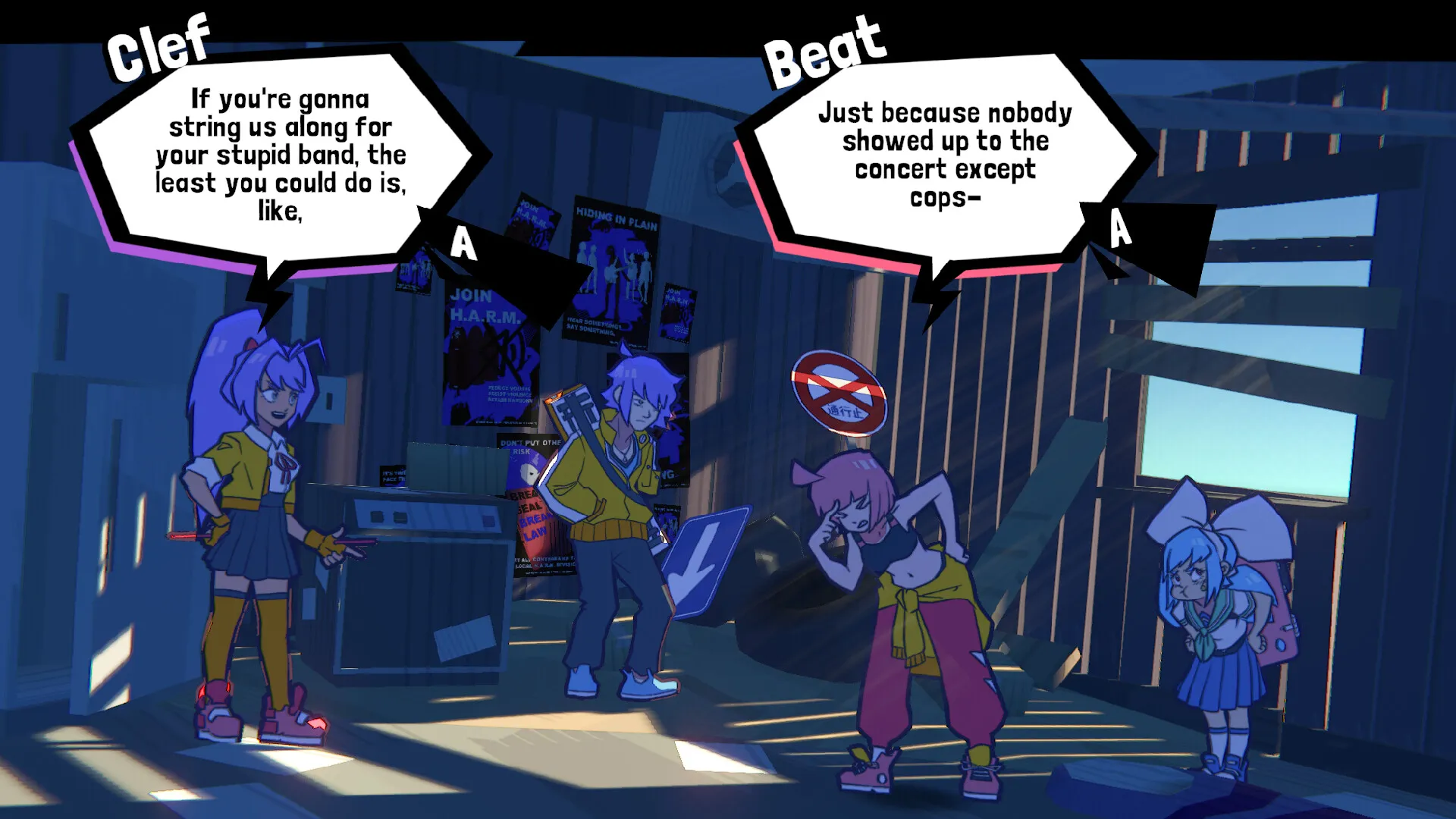
UNBEATABLE is not just a rhythm game—it is a fast, stylish, emotionally charged experience built around music, timing, and momentum. With its signature two-button system, dynamic animations, and a soundtrack that reacts to your performance, the game challenges players to think rhythmically, react instinctively, and stay in tune with the beat. But beneath its simplicity lies a deep skill ceiling that rewards mastery, precision, and creative expression.
This comprehensive guide explores the techniques, mechanics, and strategies needed to become truly unstoppable in UNBEATABLE. From basic beats to advanced momentum management, boss challenges, performance flow, and mental endurance, each section builds your understanding step-by-step. Whether you’re a beginner learning the ropes or a seasoned player aiming for S+ ranks, this guide will help you sharpen your skills and fully embrace the beat.
1. Understanding the Core Gameplay and Rhythm Foundation
The Two-Button System
UNBEATABLE is deceptively simple: two buttons control your entire performance. But the magic lies in how these buttons combine with song pacing, enemy patterns, and visual cues. Players must focus on instinct rather than relying on memorization alone.
Reading the Rhythm Instead of the Screen
Unlike traditional rhythm games where notes fall in fixed lanes, UNBEATABLE pushes you to follow sound and animation. You must watch the movement of your character and enemies as they sync with the beat. Training your ears is just as important as training your eyes.
Key Concepts
- Trust the beat more than visual timing
- Stay relaxed to anticipate incoming patterns
- Learn pattern behavior instead of reacting blindly
2. Learning the Timing Windows and Input Precision
Perfecting Timing
Timing in UNBEATABLE ranges from perfect hits to slight variations that still count—but only perfect timing keeps your flow intact. Learning these windows requires practice and patience.
H3: Audio Cues vs Visual Cues
Many players rely too heavily on visuals. Instead, blend audio cues with the movement of the beat. When rhythm shifts, visuals may lag intentionally to challenge your input precision, but audio never lies.
H4: Training Techniques
- Practice on slower songs first
- Tap your fingers along with menu music
- Disable distractions during timing practice
3. Developing Muscle Memory for Consistency
Why Muscle Memory Matters
Your hands must react intuitively during fast sequences, especially during chorus spikes where patterns accelerate. Training muscle memory allows you to act automatically.
Breaking Down Patterns
Patterns repeat with variations. Learn base patterns individually, then combine them as they appear in more advanced songs. This improves consistency and prevents panic during speed shifts.
Tips for Better Muscle Memory
- Set repetitive drills
- Practice alternating taps
- Use metronome apps to sync your fingers to beats
4. Mastering Combo Flow and Momentum Management
Momentum Defines Success
In UNBEATABLE, momentum is everything. Keeping your combo alive boosts energy, visual intensity, and overall performance. Losing momentum can feel devastating, but proper control prevents major drops.
Building and Maintaining Flow
Flow is built by following rhythm even when patterns change unpredictably. Avoid overthinking; instead, focus on staying grounded in the music’s pulse.
Momentum Survival List
- Avoid double-tapping unless required
- Maintain breathing patterns
- Don’t tense your fingers during long combos
5. Navigating Difficult Patterns and Burst Sections
Burst Patterns Explained
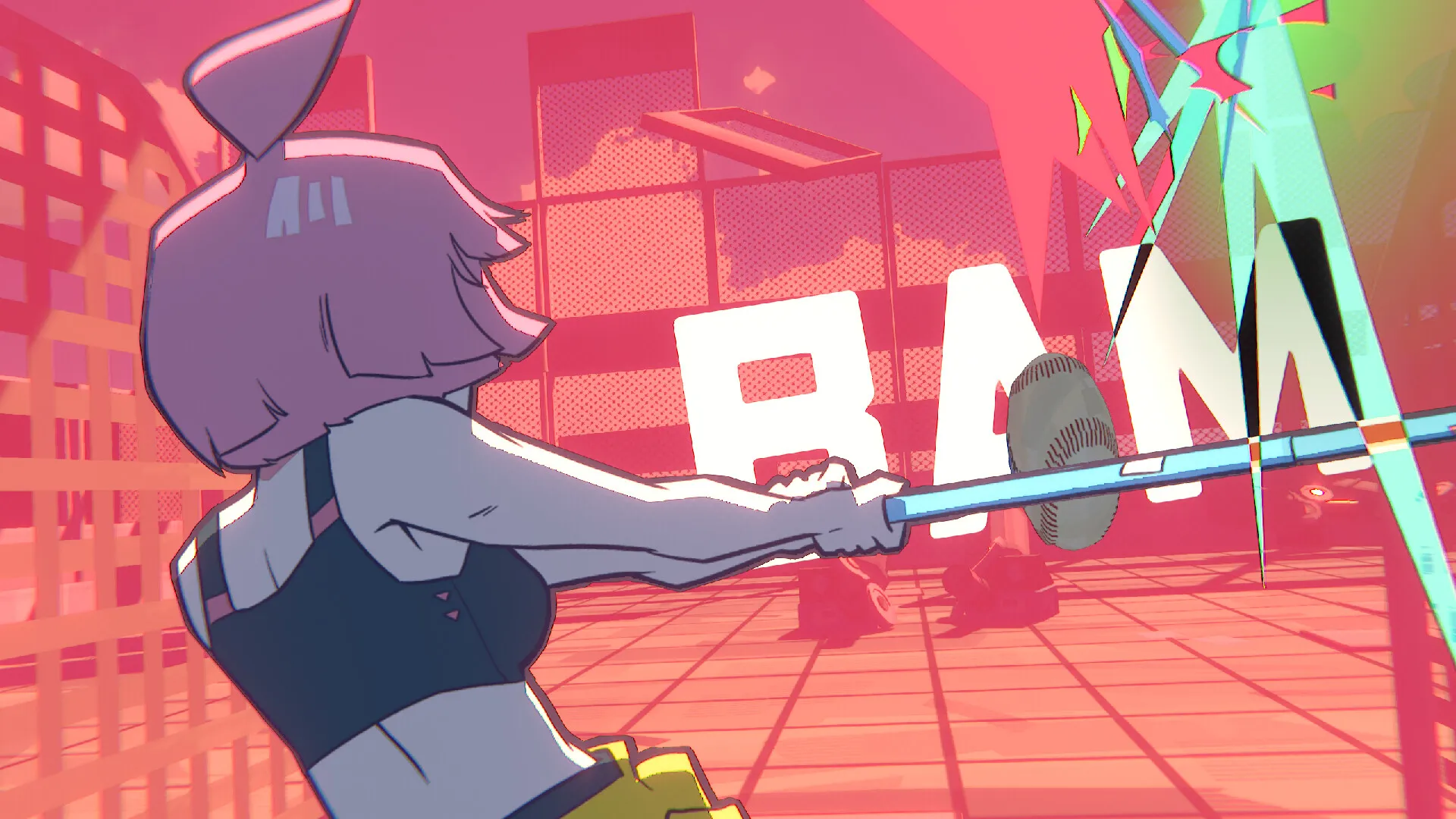
Burst sections are rapid-fire moments requiring sharp reflexes and reliable rhythm sense. These spikes test your mastery over alternating inputs and sustained speed.
H3: Recognizing Pattern Types
- Waves: rhythmic, predictable rises
- Clashes: sudden alternating jumps
- Storms: unpredictable high-speed sequences
H4: Surviving Burst Sequences
- Anchor your rhythm with foot tapping
- Focus on the overall beat rather than individual notes
- Relax your wrist to prevent fatigue
6. Understanding Song Structure and Emotional Flow
Musical Storytelling
Each track in UNBEATABLE has emotional peaks and valleys. Understanding this helps you anticipate rhythm changes, breaks, or sudden spikes. Songs often build tension before explosive choruses.
Training Your Predictive Sense
Predicting shifts is essential. Once you understand a song’s structure, you’ll know when the game is about to challenge your timing, patience, or reaction skills.
Song Structure Notes
- Verses are calmer: build consistency
- Choruses test your reflexes
- Bridges often introduce new rhythm twists
7. Using Practice Mode and Repetition Effectively
Practice Mode: Your Best Tool
UNBEATABLE’s practice features allow you to slow down tracks, repeat difficult segments, and isolate patterns. Use this to dissect the songs you struggle with.
H3: Segment Study
Break songs into their patterns. Loop them repeatedly until your hands understand the rhythm without conscious effort. Avoid jumping immediately to full-speed attempts.
H4: Practice Strategies
- Focus on one difficulty spike per session
- Practice until patterns feel comfortable
- Revisit mastered patterns weekly to keep them fresh
8. Staying Calm Under Pressure and Managing Performance Anxiety
Rhythm Requires Relaxation
The more tense you become, the worse your timing gets. UNBEATABLE amplifies pressure with chaotic visuals, but you must stay mentally steady to survive intense moments.
Techniques for Staying Calm
Deep breathing works wonders. Inhale during slow patterns and exhale before entering difficult sections. Keeping your body relaxed maintains consistent rhythm.
Anxiety Control List
- Keep your shoulders loose
- Blink naturally to prevent eye strain
- Don’t fixate on mistakes—move forward instantly
9. Advanced Strategies for High-Rank Achievements
Perfecting Every Section
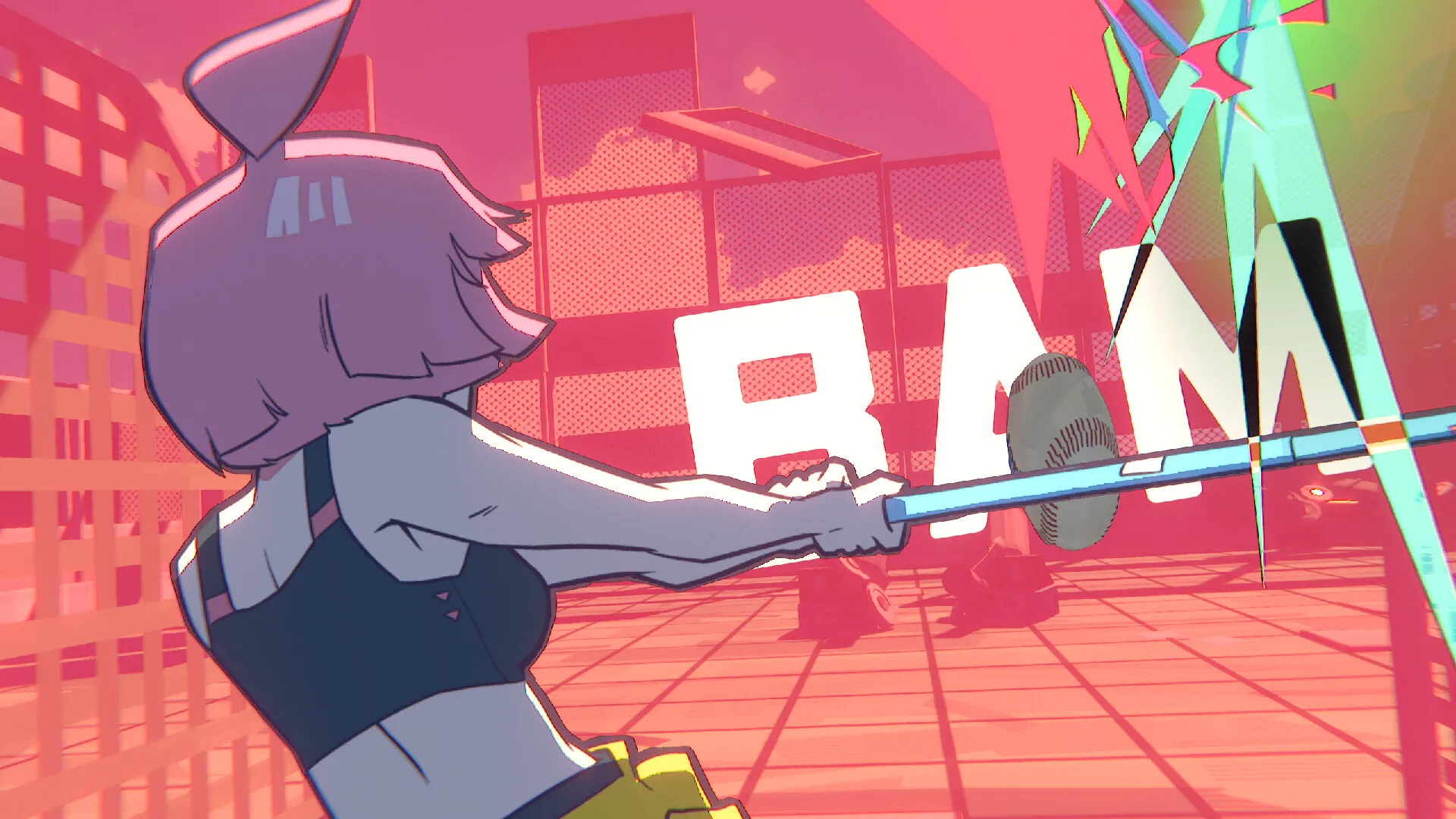
To achieve the highest ranks, every note counts. This requires mastering flow, prediction, and emotional connection to each song. Aim not just to play but to perform.
H3: Anticipation Over Reaction
Top players anticipate patterns before they happen. Train your brain to recognize song signatures so you can prepare for difficult rhythm changes.
H4: Fine-Tuning Strategy
- Record your sessions to review mistakes
- Challenge yourself with custom speed settings
- Cultivate stamina through long practice sessions
10. Maintaining Long-Term Progress and Enjoyment
Preventing Burnout
UNBEATABLE’s intensity can wear players out. To maintain long-term improvement, incorporate breaks, vary song difficulty, and celebrate progress.
Balancing Skills and Fun
Remember, UNBEATABLE is also about emotion and immersion. Let yourself enjoy the music, animations, and story elements. The more connected you feel, the better your performance becomes.
Long-Term Growth Tips
- Keep a practice journal
- Rotate between easy and hard tracks
- Play casually after long training sessions
Mastering UNBEATABLE is a journey built on rhythm, emotion, and discipline. Its two-button system demands precision, patience, and deep musical awareness. By learning timing, mastering pattern recognition, developing muscle memory, maintaining momentum, and controlling emotional pressure, you will grow from a casual player into a confident performer. UNBEATABLE rewards those who embrace the music, trust their instincts, and allow the rhythm to guide them. With time and dedication, you’ll discover why the game’s name isn’t just a title—it’s a promise you can achieve.