The Evolution of Gameplay Mechanics in DOOM: The Dark Ages and the Challenge of Enemy Design
Introduction
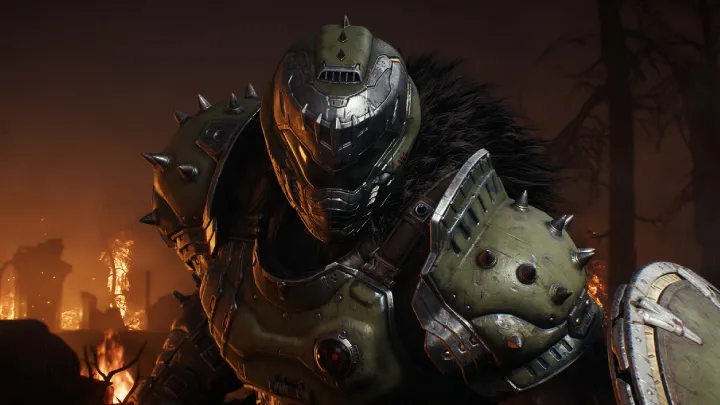
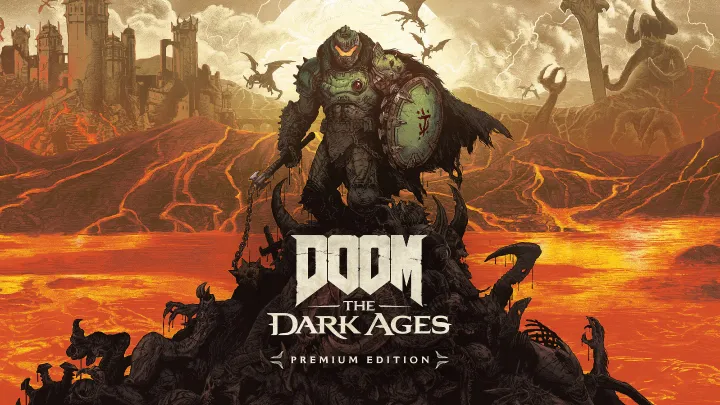
DOOM: The Dark Ages, a recent installment in the legendary DOOM franchise, seeks to blend classic first-person shooter mechanics with modern gameplay innovations. This title stands out not only for its thrilling action and environmental storytelling but also for its enemies, which are critical in shaping the overall experience. As players navigate through horrifying settings filled with gruesome monsters, the design and behavior of these enemies become a focal point of discussion. Despite the game’s captivating visuals and intense gameplay, challenges arise in enemy design, particularly regarding balance, player engagement, and replayability. This article explores these challenges, analyzing how enemy design impacts the overall gameplay in DOOM: The Dark Ages.
The Legacy of DOOM and Enemy Design
A Historical Overview
Since its inception in the early '90s, the DOOM series has continually pushed boundaries in gameplay, graphics, and enemy design. The original DOOM set the standard for first-person shooters, introducing iconic enemies like imps and demons that not only challenged players' skills but also contributed to the atmosphere of the game. Each enemy was designed to provide a unique experience, whether through their attack patterns, movement, or visual aesthetics.
The Evolution of Enemy Types
As the series has progressed, enemy design has evolved significantly. DOOM (2016) presented players with a diverse range of foes, each possessing distinct characteristics and tactical roles. This evolution aimed to enhance the intensity of combat and challenge players to adapt their strategies. In DOOM: The Dark Ages, developers faced the difficult task of building on this legacy while introducing new enemies that resonate with both established fans and newcomers.
The Challenge of Balance
The Importance of Combat Balance
Balance is crucial in designing enemies for a first-person shooter. If enemies are too weak, players may breeze through levels without challenge or excitement; if they're too powerful, they can lead to frustration. In DOOM: The Dark Ages, striking the right balance is essential to provide a satisfying experience that keeps players engaged and on their toes.
Overpowered Enemies and Player Frustration
One pressing issue in DOOM: The Dark Ages is the presence of overpowered enemies that can disrupt gameplay flow. Certain foes possess attack patterns that can lead to quick, unanticipated deaths, compromising the player’s enjoyment. For instance, an enemy that teleports behind players and deals massive damage can break the rhythm of the game, leading to anger rather than exhilaration.
The Need for Counterplay
Effective enemy design should allow for counterplay opportunities. If an enemy is powerful but offers players a means to anticipate and counteract their attacks, it elevates the experience. In contrast, enemies that feel unfair or arbitrary in their power can lead to player disengagement. The developers must implement a variety of offensive and defensive strategies that allow players to dynamically respond to enemy actions.
Diversity in Enemy Mechanics
Variety Enhances Engagement
In first-person shooters, diversity in enemy design can create more engaging combat scenarios. Players appreciate facing a range of foes throughout their journey, each with unique mechanics that require different approaches. In DOOM: The Dark Ages, the ability to interact with various enemy types fosters a richer gameplay experience.
Monotonous Enemy Types
However, one criticism noted during the community's reception of DOOM: The Dark Ages is a perception of monotonous enemy types. While some opponents feature visually striking designs and unique abilities, others may feel redundant or repetitive after multiple encounters. Overreliance on certain enemy archetypes can dilute the excitement players experience, impeding engagement and immersion.
Creating a Unique Identity for Each Enemy
Beyond visual differences, enemies should deliver unique gameplay experiences. Developers must diligently construct personalities or combat roles for each foe—such as aggressive attackers, defensive tanks, or stealthy assassins—to enrich combat complexity. This variety not only increases engagement but also encourages players to adapt their strategies on-the-fly.
Player Agency and Empowerment
Enhancing Player Freedom
A significant aspect of modern gaming is the concept of player agency—the ability to make choices and feel empowered in decision-making. In DOOM: The Dark Ages, enemy design should align with this principle. Players should feel as though they have the tools and strategies to overcome challenges presented by various enemies.
Feeling Overwhelmed
Some players express feelings of being overwhelmed by enemy density and attack patterns. While the game is designed to be fast-paced and intense, encounters that feel like a constant barrage from all directions can lead to frustration and burnout. Ensuring that players can navigate situations without feeling hopeless is essential for maintaining a positive gaming experience.
Encouraging Skill Development
Effective enemy design should facilitate skill development, providing opportunities for players to grow as they face varied challenges. Developers can create a learning curve where players progressively encounter tougher foes, thus reinforcing gameplay mastery. Clear visual cues (such as enemy animations) and audio signals can help players become adept at anticipating attacks, fostering empowerment.
The Role of AI in Enemy Dynamics
Advancements in Artificial Intelligence
Artificial intelligence (AI) is pivotal in defining how enemies behave in DOOM: The Dark Ages. Improved AI ensures that foes act dynamically, responding to player actions and creating a more immersive experience. Instead of being predictable or static, enemies become formidable challenges that require players to think strategically.
The Impact of AI on Player Experience
However, poor AI behavior can lead to disjointed encounters that feel unnatural. For example, if enemies frequently get stuck or fail to engage players properly, it can disrupt the overall flow of combat. Fine-tuning AI behavior to create a balance between challenging and fair encounters is essential for enhancing player experience.
Testing and Iteration
The process of implementing AI for enemy mechanics involves extensive testing and iteration. Developers must gather feedback from testers to identify problematic behaviors and make adjustments accordingly. By addressing issues early in the development cycle, the team can ensure enemies feel fresh and engaging upon release.
Engaging Boss Encounters
Importance of Memorable Boss Fights
Boss encounters serve as climactic moments in any video game, and DOOM: The Dark Ages is no exception. Engaging bosses can create thrilling experiences, testing players’ skills while delivering a sense of accomplishment upon victory. Well-designed bosses not only challenge players but also contribute to the game's storyline and atmosphere.
The Challenge of Repetition
A common challenge with boss fights in video games is the potential for repetition. If bosses share similar mechanics or lack unique attack patterns, players may feel unchallenged or disengaged during encounters. In DOOM: The Dark Ages, developers must be careful to ensure that each boss fight feels distinct and exciting, encouraging players to adapt their strategies for each encounter.
Rewarding Successful Strategy
In addition to providing engaging encounters, bosses should offer rewards for defeating them, whether in the form of powerful weapons, rare upgrades, or significant story developments. These rewards create motivation for players to push through challenges and strategize effectively, enhancing the overall gaming experience.
Feedback from the Player Community
The Importance of Community Feedback
In an age where gaming communities thrive online, independent feedback from players serves as a valuable resource for developers. By actively engaging with players and listening to their concerns, developers can make informed decisions about enemy design and gameplay balance in subsequent updates or expansions.
Addressing Concerns
Specific concerns, such as frustration with overpowered foes or monotonous encounters, should be addressed promptly. Open lines of communication between developers and the community can help the gaming experience evolve based on real player input. Updates can then undertake critical refinements that align with community feedback.
Fostering a Healthy Community
Encouraging positive discussion surrounding enemy design and gameplay mechanics fosters a healthy community. Developers could implement quarterly feedback sessions or community events to engage players in constructive dialogues. This process not only strengthens player-investment but ensures that future updates resonate more closely with what users want from their gaming experience.
Future Directions: Enhancing Enemy Design in DOOM
Adapting to Player Expectation
As the gaming landscape continues to evolve, the expectations surrounding enemy design and balance shift accordingly. To maintain relevance, DOOM: The Dark Ages must adapt its enemy roster to reflect user preferences while retaining the franchise's legacy. Continually innovating on existing enemy types while introducing new ones can help freshen gameplay experiences for all players.
Embracing Diversity in Design
In the pursuit of diversity, it’s essential to evaluate existing enemies in terms of their impact on gameplay. Developers might consider integrating cultural or thematic elements, allowing each enemy to tell a story that adds depth to the gameplay experience. By exploring various visual characteristics and abilities, players can feel more invested in encounters.
Conclusion
In summary, enemy design in DOOM: The Dark Ages serves as a critical element that shapes players' experiences. While the game excels in its thrilling combat and aesthetic appeal, challenges persist in balancing enemy mechanics, AI behaviors, and player engagement. Achieving a rewarding experience demands innovation, responsiveness to player feedback, and a commitment to refining gameplay mechanics.
Through ongoing development and engaging with the community, the DOOM franchise can continue to evolve, ensuring that it captivates both longtime fans and newcomers alike. Ultimately, the challenge lies in crafting enemies that deliver excitement and satisfaction while encouraging players to embrace their skills and confront the chaos that is quintessential to the DOOM experience.